
Would that everything were easy! But it’s not.
How do you ensure that a public-private partnership serves the interests of the public while still reaping the benefits of innovation and flexibility that non-governmental organizations can bring to bear on problems?
In the case of charter schools, clarity is elusive. Charter schools receive government funding – less per pupil than their public school counterparts – and raise the rest of what they need from private sources. Some are very successful while others are not.
Their flexibility comes with new or no union contracts: longer and more school days, greater flexibility in firing teachers, very local control over the programs included.
Successful charter schools are so much in demand that they are forced to hold lotteries to admit a very small percentage of the students who apply.
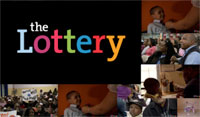
(A movie that follows four children on that quest will be released nationwide on June 8th, which is public education day.)
Two charter school issues are now in the legislature: One would increase the number of charter schools in New York, from 200 to 460. Passing this legislation would make New York eligible for millions of federal aid dollars.
The second piece of legislation is S6469, sponsored by Senator Bill Perkins (D-Harlem), calls for regulation of charter schools, more accountability, and more transparency. Of concern to supporters of the bill are the management fees charged by some for-profit school managers.
Parents of children enrolled in successful public schools are outraged by the Perkins bill and supportive of efforts to increase the number of charter schools. They point both to the outstanding success of their own children, the eagerness of other students to follow them, and the small number of for-profit charter schools as too few to worry about.
Few now, perhaps, but venture capitalists are taking an interest; it might be good to plan ahead.
The teachers union opposes increasing the number of charter schools until the schools are better regulated.
My take? I think we need creative solutions to education; increasing the number of charter schools may foster more innovation. But let’s also insist on transparency and ensure accountability so we know what works and doesn’t. After all isn’t that the point?
Do you think charter schools should be for-profit? If so, what kind of accountability should be required? Would you send your child to a charter school if you could? Do you want more regulation, more charter schools or both? Why?
Montage: © 2010 The Lottery, LLC. All Rights Reserved.